Where Pests Actually Get Into an Eastside House
There are only a handful of places a pest actually crosses from outside to inside, and most of them are within a few feet of the ground.
September 9, 2026 · 2 min read
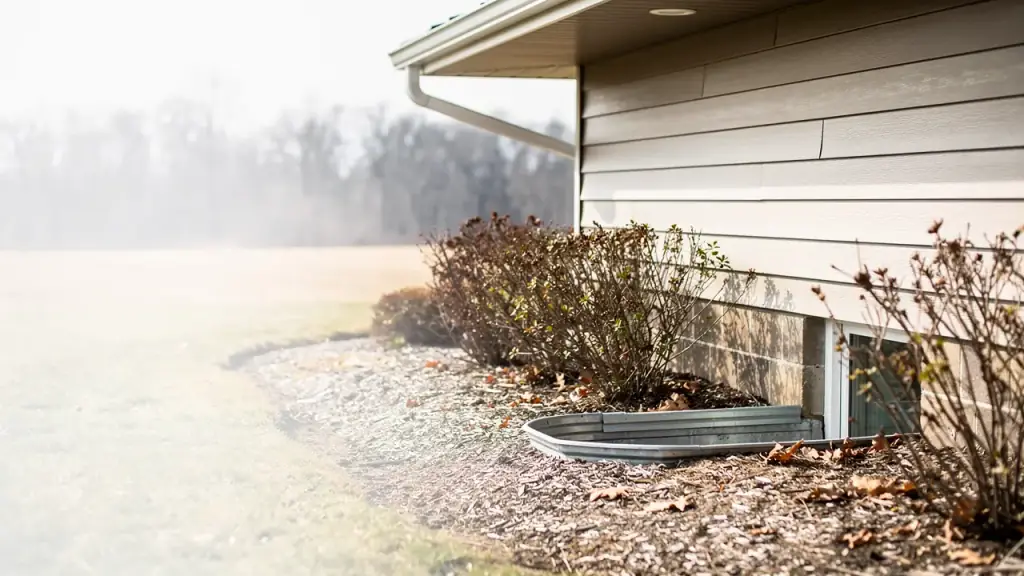
Nobody finds ants in the pantry and thinks about the outside of their house. But that's exactly where the answer usually is. Insects and rodents don't appear in the kitchen out of nowhere, they cross a specific point where the outside meets the inside, and on most houses around here that point is one of a handful of predictable spots.
The foundation line
Where the siding meets the foundation is one of the most common points of entry on any house. Small gaps, hairline cracks, and the seams around utility lines running into the house all give ants, spiders, and other insects a way in that's nearly invisible from a few feet away. It's low, it's often shaded by landscaping, and it's rarely something a homeowner checks.
Window wells
A window well collects moisture, leaves, and debris, which makes it an easy staging area for insects before they find a gap around the window frame itself. Around Kenmore, where it rains a lot of the year, a window well rarely stays dry for long, and damp debris sitting against the house is exactly the kind of spot that draws activity.
Soffits and eaves
Up higher, the soffits and eaves under the roofline are where wasps, bees, and some spiders set up without ever being noticed from the ground. Gaps in venting or trim up there are easy to miss during a normal walk around the house, but they're checked as part of a proper exterior inspection.
Shrub beds against the wall
Landscaping that sits right against the exterior wall, especially mulch or shrub beds, holds moisture against the house and gives pests cover to approach the foundation without being seen. It looks tidy from the street, but it's one of the more active spots on a property.
Crawlspace vents
Crawlspace vents are built to let air move, which also means they're built to let something walk or crawl through if the screening is damaged or missing. A crawlspace is dark, undisturbed, and close to the ground, which makes it one of the more attractive spots for rodents specifically, not just insects.
Why this matters more here than most places
A wet, mossy climate like the Eastside keeps the ground damp for most of the year, which keeps every one of these entry points active longer than it would be somewhere dry. That's not something a single spray in the kitchen ever addresses.
Treating the perimeter, not just the room
That's the reason a real insect treatment covers the interior and the exterior together. Closing off what's happening around the foundation, window wells, and crawlspace does more to keep pests out long term than any amount of spray inside. Alex has been treating homes across Bellevue, Kenmore, Bothell, and Kirkland this way for over 30 years. Call AB Pest Control at (425) 205-1603 for a free phone estimate.
AB Pest Control, (425) 205-1603
Call (425) 205-1603More articles
The Three Signs of a Rodent Problem, and What Each One Tells You
Scratching, droppings, and tracks each point to a different stage of the same problem, and knowing which one you're looking at changes what you do next.
Why Spraying the Ants on the Counter Never Works
The ants walking across your counter are a handful of scouts from a colony that's still there the next morning, no matter how much spray you used.